
Gordina Journal
Cuneiform
One of the World’s Earliest Writing Systems
What is cuneiform? Explore how one of the world’s earliest writing systems developed from pictographic marks into wedge-shaped signs impressed into clay.
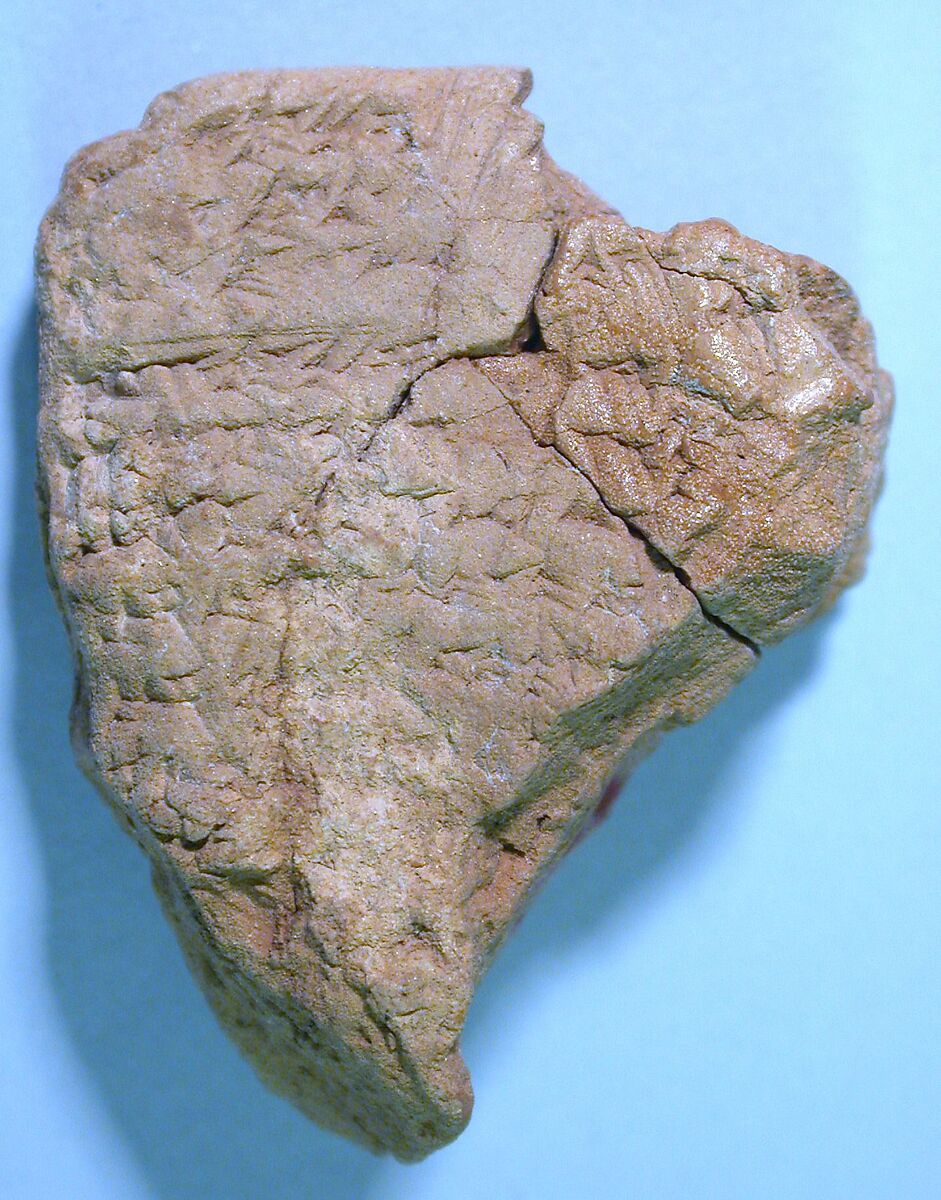
Cuneiform is one of the earliest known writing systems in human history. It emerged in ancient Mesopotamia in the late fourth millennium BCE and developed into a script used across a wide geographical area and for multiple languages over many centuries.
What is cuneiform?
The word cuneiform comes from the Latin for “wedge-shaped,” a reference to the small angled impressions that form its signs. Rather than being drawn as flowing lines, many cuneiform signs were impressed into clay with a cut reed stylus. This gave the script its distinctive visual character: structured, rhythmic and deeply material.
The earliest phase, often called proto-cuneiform, began with pictographic forms. Over time, these became increasingly abstract and developed into the wedge-shaped signs now associated with cuneiform writing.
From pictograms to a writing system
Cuneiform first developed in practical contexts such as administration, accounting and record-keeping. Its use later expanded far beyond economic records. Surviving tablets preserve prayers, hymns, literary texts, legal documents, royal inscriptions, omens and everyday transactions.
This long development is part of what makes cuneiform so important. It was not one fixed set of symbols used in one narrow way. It was a writing tradition that changed over time and was adapted to different languages, regions and purposes.
How cuneiform signs worked
Cuneiform signs could function in more than one way depending on context. Some represented whole words or ideas, while others could be used phonetically. A sign therefore cannot always be reduced to one permanent, isolated meaning.
This is an important distinction. Cuneiform is not simply a collection of decorative symbols. It is a complex writing system shaped by language, convention and historical change.
Clay, impression and memory
Most surviving cuneiform texts were written on clay tablets. The material itself is part of the script’s enduring presence. The marks are not simply lines resting on a surface; they are impressions pressed into matter.
Administrative tablets record livestock, goods and accounts. Other objects preserve prayers or ritual texts. Still others belong to divinatory traditions, where writing and interpretation met in highly structured ways. Together they preserve fragments of work, devotion, exchange and thought across thousands of years.
Why cuneiform still fascinates
Part of cuneiform’s appeal lies in the tension between clarity and mystery. It can be studied, translated and historically situated, yet it also retains a powerful visual presence before it is understood word by word.
Its wedge-shaped marks look deliberate, architectural and tactile. They carry language, but they also carry the visible memory of inscription itself: pressure, repetition, order and rhythm.
Cuneiform and the language of form
Today, cuneiform is encountered through archaeology, museums, scholarship and visual culture. Even outside specialist study, it remains compelling because it sits at the meeting point of writing, image and material trace.
To look at a cuneiform tablet is to see language in a deeply physical form: signs pressed into clay, holding records of life across millennia.